
Global trade depends on visibility, and research from McKinsey & Company shows that companies with transparent supply chains can reduce disruptions by up to 50 percent. This same principle, built on trust and traceability, has become central to blockchain technology. For crypto investors, the parallels between supply chain transparency and digital asset ecosystems offer practical lessons that go beyond price charts and market hype.
Traditional systems have long relied on structured tools like a supplier relationships database to track vendors, monitor performance, and ensure accountability across complex networks. These systems aim to create a reliable flow of information, much like blockchain does for transactions. Yet despite their sophistication, many legacy databases remain centralized, making them vulnerable to delays, manipulation, or incomplete data visibility.
The Problem: Fragmented Trust and Limited Visibility
Supply chains often struggle with fragmented data. A single product may pass through multiple vendors, each maintaining its own records. This creates gaps that slow decision-making and increase risk. The World Economic Forum has highlighted how limited transparency in supply chains contributes to inefficiencies and fraud, particularly in industries like food and pharmaceuticals.
Crypto markets face a similar challenge. While blockchain itself is transparent, the broader ecosystem, including exchanges, custodians, and project teams, can still lack clarity. Investors may see transaction histories on-chain, yet remain unsure about governance, liquidity, or real-world utility. These blind spots mirror the same issues businesses encounter when supplier data is siloed or outdated.
Despite the importance of both systems, many participants still rely on incomplete information. This disconnect underscores a key issue, trust is often assumed rather than verified.
The Comparison: Shared Principles of Transparency
At their core, both supply chain systems and blockchain networks aim to build trust through visibility. In supply chain management, traceability allows companies to follow goods from origin to delivery. In blockchain, every transaction is recorded on a public ledger, offering a similar trail of accountability.
Data from IBM’s Institute for Business Value indicates that organizations using blockchain in supply chains report improved traceability and faster dispute resolution. This reinforces the idea that decentralized records can enhance traditional systems. Crypto investors can recognize this as a familiar advantage, where blockchain removes the need for intermediaries and reduces reliance on centralized oversight.
Another shared feature is verification. Supplier management tools often include validation processes, ensuring that vendors meet compliance standards. Similarly, blockchain networks use consensus mechanisms to confirm transactions. Whether through proof-of-work or proof-of-stake, the goal remains the same, to ensure that data is accurate and trustworthy.
The Gap: Centralization vs Decentralization
However, a clear difference remains. Traditional supplier tracking systems are typically centralized. A single organization controls access, updates, and governance. While this can streamline operations, it also creates a single point of failure.
Blockchain, on the other hand, distributes control across a network. This decentralization reduces the risk of manipulation and enhances resilience. Yet it introduces new challenges, including scalability and regulatory uncertainty. The Bank for International Settlements notes that decentralized finance still faces hurdles in achieving consistent oversight and stability.
For investors, this contrast offers a valuable perspective. Centralized systems may provide efficiency, but they require trust in a governing authority. Decentralized systems offer transparency, yet demand a deeper understanding of technical and governance risks.
The Solution: Applying Supply Chain Lessons to Crypto Investing
These challenges point toward a practical solution, applying supply chain intelligence principles to crypto investment strategies. Investors can benefit from adopting a more structured approach to evaluating digital assets. As explored in AI-powered trading in crypto investments, advanced tools now use real-time data and predictive models to improve decision-making, reflecting the same data-driven discipline seen in modern supply chain systems.
- Prioritize traceability: Just as companies track goods across multiple stages, investors should examine the full lifecycle of a crypto project, from token issuance to real-world use cases.
- Assess network reliability: Supplier evaluation systems measure consistency and performance. Similarly, investors can review network uptime, transaction speed, and developer activity.
- Verify partnerships and data sources: In supply chains, verified vendor records reduce risk. In crypto, confirmed partnerships and transparent reporting add credibility.
- Understand governance structures: Knowing who controls decisions in a network is as important as knowing who manages suppliers in a business ecosystem.
By aligning financial decision-making with these principles, investors move from speculation toward informed analysis. This shift mirrors how businesses evolved from basic vendor lists to integrated supplier intelligence systems.
Bridging the Future of Transparency
The convergence of supply chain practices and blockchain technology suggests a broader trend. Both fields are moving toward systems that emphasize openness, accountability, and real-time data sharing. Experts at Deloitte note that transparency is becoming a competitive advantage, shaping how organizations and investors evaluate risk.
For crypto investors, this means looking beyond price volatility and focusing on the quality of information. Tools similar to vendor management platforms, procurement tracking systems, and supplier data networks provide a useful framework for analyzing digital assets. These parallels encourage a disciplined approach, grounded in verification rather than assumption.
Ultimately, the lesson is clear. Transparency is not just a feature, it is a strategy. By borrowing insights from supply chain management, investors can navigate the complexities of crypto markets with greater confidence. The systems may differ in structure, but the goal remains the same, building trust through clear, reliable, and accessible information.
As digital ecosystems continue to evolve, those who understand the value of transparent data flows, whether in supplier information platforms or blockchain networks, will be better positioned to make informed decisions and manage risk effectively.





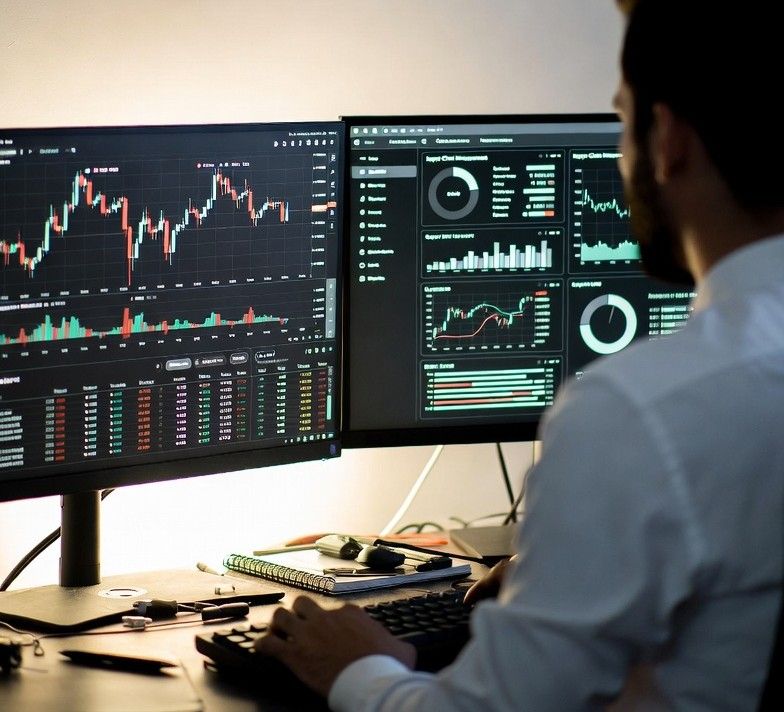
 Crypto and modern finance have changed how people earn and manage money. Many no longer rely on fixed salaries or office locations. This shift also changes how people view their homes. Lentor Gardens home is no longer just a place to rest. It is now a center for work, finance, and daily decision-making.
 Many industries are changing the way they handle trust and transparency with the rise of blockchain technology. In property insurance, where disputes over claims can drag on for months, blockchain and smart contracts promise a faster, fairer process. By using decentralized ledgers and automated agreements, these tools could cut down on paperwork, reduce fraud, and speed up payouts. Homeowners and insurers alike stand to benefit from this shift, as it tackles long-standing issues in the claims process.
 Singapore’s luxury condo market is evolving, and the factor driving this shift is the growing presence of crypto millionaires. As wealth from the digital asset space flows into traditional assets, high-end real estate in Singapore is becoming a favored landing spot. This group of buyers is altering demand patterns, influencing how developers respond, and highlighting certain neighborhoods—including interest in the Thomson View new launch.
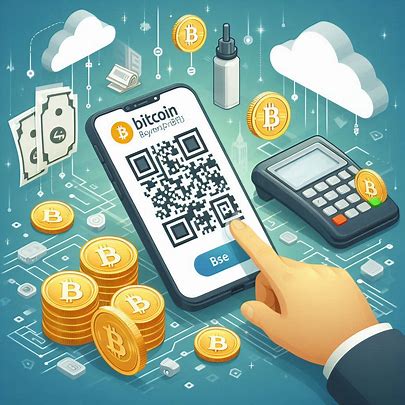 More than 420 million people across the globe own cryptocurrency. As this number grows, the potential for crypto to become part of everyday transactions becomes increasingly real. Small payment cashing systems — think of daily coffee runs, metro tickets, or micro-donations — are slowly being reshaped by digital currency integration.
 Cryptocurrency markets are notoriously volatile, with prices shifting unpredictably. This uncertainty has always made crypto investing a challenge. However, a new wave of technology is changing the landscape. Artificial Intelligence (AI) is becoming a game-changer in cryptocurrency trading, offering investors innovative tools to navigate these turbulent waters. AI algorithms are transforming the way trades are made, enhancing decision-making, and providing crucial insights for better risk management. With these advancements, traders can harness data analysis and automated strategies, drastically improving their investment outcomes.






 Burra Robinson Family Lawyers are aware of the complexity of crypto money, especially if a divorcing spouse excluded it in the settlement. Most family lawyers find such claims contentious due to the confidential nature of the
  in Australia’s Family Court considers it unfavourable if a spouse deliberately withholds information about marital assets in divorce proceedings. The Family Court has the power to pass judgement and impose penalty on the spouse who refuses to declare or disclose info related to the digital asset excluded as part of the marital estate.
 As mentioned earlier, all information about cryptocurrencies are encrypted and kept secure by private cryptographic keys held by the spouse claiming sole ownership. If so, the latter must show proof of the value of the crypto money at the time when it was purchased prior to marriage, up to the time the digital money increased in value during marriage. Again, proof must be presented to support statements that there was no additional purchase of crypto money using the commingled funds acquired during marriage.





 Although the precise count of websites constantly changes every second, the World Wide Web houses more than a billion websites. This means that it carries a vast variety and massive volume of data and information, wherein most are made available and accessible to people across the globe. For instance, there is a large quantity of data and information on cryptocurrency.
  There are millions of crypto users worldwide, and chances are there are many others with the same cryptocurrency goal as you, which means they could become your competition and you need to compete to reach your target audience and get them to choose your brand, product or service.