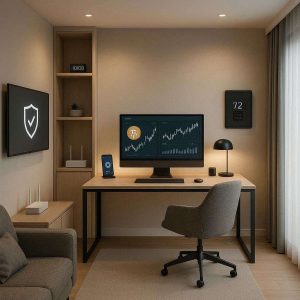
 Crypto and modern finance have changed how people earn and manage money. Many no longer rely on fixed salaries or office locations. This shift also changes how people view their homes. Lentor Gardens home is no longer just a place to rest. It is now a center for work, finance, and daily decision-making.
People involved in crypto often work online. Their home becomes their main base. This makes comfort, security, and function more important than size or luxury. A good home supports focus and consistency.
Financial independence also affects priorities. Instead of status symbols, many focus on stability and control. Homes that support privacy and peace become more valuable. This mindset shapes modern residential choices.
Market volatility is part of crypto life. Prices move fast and emotions can follow. A calm home environment helps balance this pressure. Natural light, quiet spaces, and clean layouts reduce stress.
Finance tools are also digital now. People manage assets from laptops and phones. Homes must support strong internet, power reliability, and secure spaces. These features are now basic needs.
The idea of home ownership also evolves. Some crypto investors prefer flexibility. Others seek long-term security through property. Both views shape how homes are designed and chosen.
As digital income grows, homes become anchors. They provide physical stability in a virtual economy. This balance is becoming essential.
Designing a Home That Supports Crypto and Financial Focus
A crypto-friendly home starts with layout. A dedicated workspace helps separate work and rest. This supports discipline and reduces burnout.
Lighting plays a big role. Natural light improves mood and focus. It also supports healthier daily routines. Many finance professionals work long hours, so this matters.
Noise control is another factor. Quiet environments support concentration. Homes away from heavy traffic or with sound insulation are preferred.
Security is critical. Crypto involves sensitive data and assets. Secure doors, controlled access, and private spaces add peace of mind.
Technology readiness matters as well. Reliable power and internet are essential. Homes that support smart systems reduce daily friction.
Ventilation and comfort affect long sessions. Fresh air and proper cooling help maintain focus. This supports better decision-making.
Storage is often overlooked. Organized spaces reduce mental clutter. This helps when managing complex financial information.
Minimalist design is popular among crypto users. Fewer distractions support clarity. Clean spaces reflect disciplined thinking.
Outdoor access also helps. Short breaks outside reset the mind. This improves performance without leaving home.
Furniture should support long sitting periods. Ergonomic seating protects health. Health supports long-term productivity.
A well-designed home supports routine. Routine is important in finance and trading. Consistency reduces emotional decisions.
In this way, home design becomes part of financial strategy. It supports better habits and outcomes.
Home as a Long-Term Financial Anchor
Homes are one of the most stable assets. In a world of fast-moving digital value, this matters. Crypto and finance move quickly. Homes move slowly.
This contrast creates balance. While digital assets fluctuate, property provides grounding. This helps manage risk.
Many use homes as part of asset diversification. Real estate balances digital exposure. This supports long-term planning.
Homes also support lifestyle stability. Families benefit from safe and consistent environments. This supports personal goals beyond finance.
Rental potential adds flexibility. A home can generate income if needed. This supports financial resilience.
Ownership also supports emotional security. Knowing you have a stable base reduces stress. This improves financial decision-making.
Maintenance costs should be considered. Smart design reduces long-term expenses. This protects cash flow.
Energy efficiency also matters. Lower bills support budgeting. This is important when income varies.
Location affects value and lifestyle. Access to services and transport supports daily efficiency. This saves time and money.
Homes also support future planning. They can be upgraded, sold, or passed on. This flexibility adds value.
For many, home ownership represents success. In crypto culture, success is often quiet and practical. A comfortable home fits this view. The role of home continues to evolve. It is no longer separate from finance. It is part of it. Crypto and finance have made money more flexible. Homes provide the structure to use that freedom well.
In a digital economy, physical stability matters. Homes offer that stability. They ground digital success in real life. As more people earn online, this connection will grow stronger. The home will remain a key part of financial well-being.